
link esterni:
Polaroid
instantaneous photography
Polaroid was founded in 1937 by Edwin Land, an American inventor and entrepreneur. Originally, Polaroid produced sunglasses and polarized glasses based on light polarization technology.
The transition to instant photography occurred in 1947, when Land introduced the first instant camera, the Polaroid Land Camera Model 95, which developed a photo in about a minute thanks to a special film containing the chemicals needed to develop and fix the image.
Polaroid revolutionized the world of photography with its instant technology, allowing you to take and view the photo immediately, becoming a cultural icon. The company struggled until it closed in 2008, but the brand was later relaunched by Polaroid B.V. (originally The Impossible Project), which continues to produce instant cameras and film compatible with classic Polaroid models.
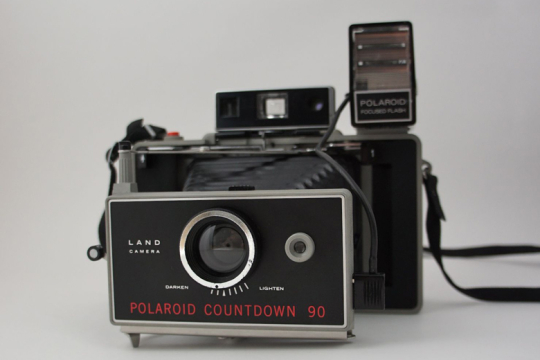
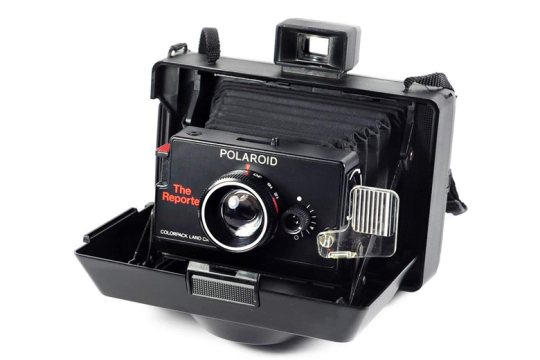
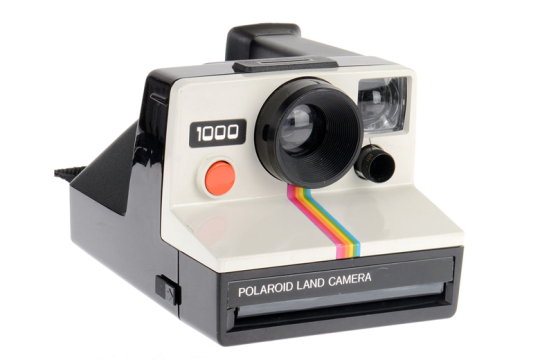
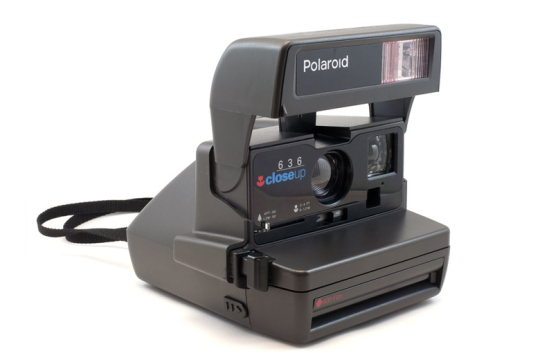
Polaroid is a brand name used to identify a series of products from the Polaroid Corporation, best known for its instant cameras with self-developing film.
Polaroid Corporation creates a wide range of instant cameras with self-developing film, which do not all use the same type of sensitive paper. Most use SX-70 or 600 film.
1929: The Polaroid Corporation registers a patent (Patent 1918848) for a special plastic sheet used to polarize light.
1937: Polaroid is founded by Edwin Land.
1947: Introduction of the Polaroid Land Camera Model 95, the world's first instant camera.
1963: Introduction of the first color film, Polacolor.
1972: Launch of the Polaroid SX-70, the first color instant camera with a foldable design.
1976: Presentation of the prototype of the Polaroid 20x24 Instant Land Camera, capable of printing large-format photographs.
1950s-1970s: Period of peak commercial success, with millions of cameras and films sold.
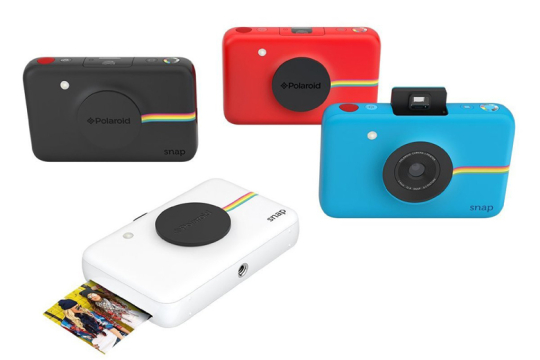
In February 2008, the Polaroid Corporation announced the discontinuation of instant film. Just a month later, it announced the relaunch of production of the new Polaroid cameras by the end of the year, thanks to ZINK ("Zero-Ink"), a new ink-free printing technology.
The camera contains a tiny color printer that works on a special photographic paper made of crystalline pigments that are colored through a thermal process.
Media:
The initial media, developed in 1932 by Edwin H. Land, consists of a series of microscopic crystals of iodoquinine sulfate or herapatite embedded in a transparent polymer film of nitrocellulose.
Also known as the J-Sheet, it was replaced and improved by the Polaroid H-Sheet, invented by Land in 1938. The H-sheet is a polymer composed of polyvinyl alcohol impregnated with iodine.
Another type of Polaroid is the K-sheet polarizer; it consists of aligned polyvinyl chains. This polarizing material is particularly resistant to humidity and heat.
All Polaroid sheets are used in liquid crystal displays, optical microscopes, and sunglasses. A historic collection of sunglasses is held at the Safilo Private Collection and, to a lesser extent, at MIT in Boston and the MOMA in New York.
Collection and, in smaller numbers, at MIT in Boston and MOMA in New York.