
Products

Aluminum
light metal silver color
Aluminum is a lightweight metal, characterized by high resistance to corrosion and excellent workability, which make it one of the most versatile and widespread materials in the manufacturing industry. Extracted mainly from bauxite through electrolytic refining processes, aluminum is distinguished by its low density, equal to about a third of that of steel, and by its high thermal and electrical conductivity.
One of its most important properties is the ability to spontaneously form a thin oxide film on the surface, which acts as a protective barrier against oxidation and corrosion, reducing the need for additional surface treatments such as painting or coatings.
Technical properties and workability
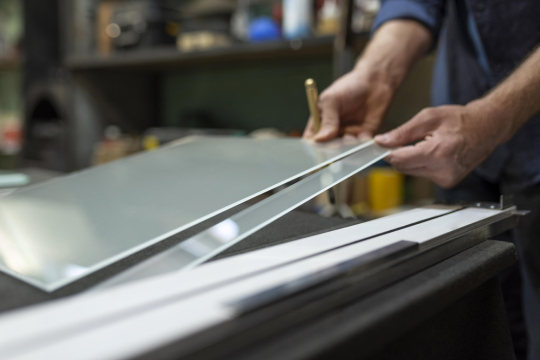
From a mechanical point of view, aluminum has a good strength-to-weight ratio and high ductility, which allows it to be worked with various industrial techniques. Among these, extrusion allows for obtaining complex and precision profiles, rolling produces thin plates and sheets, while die casting is ideal for components with complex geometries and fine details. Furthermore, aluminum is easily weldable and can be bonded with other metals to improve its mechanical and resistance characteristics.
Another fundamental aspect is its recyclability: aluminum can be reused practically indefinitely without losing its properties, with significant energy savings compared to primary production, thus contributing to environmental sustainability.
Industrial applications
Thanks to these characteristics, aluminum is used in numerous sectors:
Aerospace: construction of fuselages, wings, load-bearing structures and internal components, where lightness and resistance are crucial to improve performance and reduce consumption.
Transport: production of car bodies, bicycle frames, components for high-speed trains and public transport, with the aim of reducing overall weight and increasing energy efficiency.
Construction: construction of windows, curtain walls, roofs and lightweight structures, thanks to resistance to atmospheric agents and ease of installation.
Electronics and Cooling: Use in heat sinks, electronics casings and cooling systems, taking advantage of its high thermal and electrical conductivity.
Packaging and Tools: Production of food containers, films and kitchen utensils, where lightness and non-toxicity are essential.
Design and Furniture: Use in modern design elements, lighting structures and furniture components, thanks to the possibility of extrusion into complex shapes and elegant aesthetics.